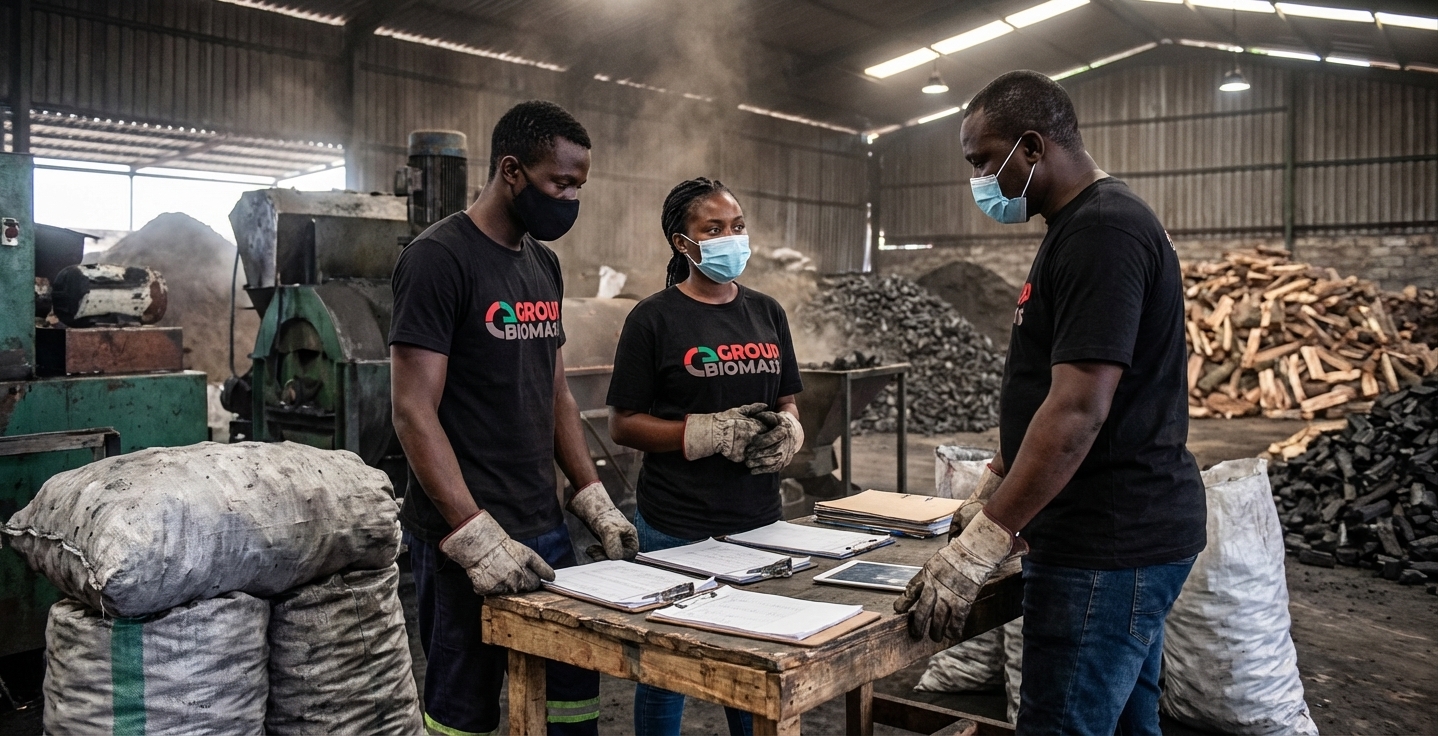
Deep within the country, a massive facility stands as a testament to the growing demand for wood fuel . This production complex, reportedly the region’s premier wood factory , is raising attention for both its output and the possible environmental ramifications. While providing jobs for local communities, the factory's processes are sparking debate about sustainable forest management and the overall health of Cameroon’s woodlands .
Hardwood Lump Carbon Sale Boom: Cameroon’s Promising Player
Cameroon is experiencing a significant surge in quality lump charcoal exports, positioning itself as a key nation in the global sector. Thanks to increasing demand from European US and Pacific markets, the region’s output of this sustainable fuel is quickly increasing, offering new opportunities for local farmers and strengthening the country's financial situation. The emphasis on environmentally friendly hardwood granulated charcoal is showing to be a critical aspect in gaining international investors.
Inside Cameroon’s Hardwood Lump Charcoal Factory: Production & Sustainability
Stepping into a average Cameroon timber lump charcoal factory uncovers a surprisingly straightforward system of manufacturing. Green wood, often sourced from managed woodlands, are carefully cut and transported to a furnace. Inside, the lumber is slowly heated with restricted oxygen, a procedure that changes it as granular charcoal. Despite the established methods used can be labor-intensive, more modern factories are incorporating refined techniques and trying options to boost the efficiency and nature sustainability. This includes investing in clean resources and introducing rigorous scrap control approaches.
Cameroon's Charcoal Industry : A Significant Player in Worldwide Sales
Despite mounting environmental worries , Cameroon’s wood charcoal trade remains a surprising and vital role in the global shipment arena . The production of charcoal from wood is a critical origin of income for thousands of local families , particularly in underserved regions . This practice generates a substantial amount of wood charcoal heading for foreign destinations , often supporting energy needs in other nations , though this dependence creates problems relating to woodland depletion and eco-friendly tree protection.
La Contre Charbon de Bois Massif de Bois vs. Les Briquettes Un Perspective Camerounaise
Au Cameroun, , la décision entre le combustible de bois lump et les briquettes interroge une matière. Habituellement, le combustible de bois dur a été préféré en son arôme authentique et sa capacité de créer une chaleur élevée , appropriée afin de la rôtisseries locales . Néanmoins, , les briquettes , davantage pratiques à obtenir et moins économiques , attirent en attention, get more info particulièrement dans les communautés urbaines .
Eco-friendly Charcoal Creation : The Future of Cameroon's Forest Industry
The traditional method of charcoal production in Cameroon presents a serious challenge to its valuable hardwood woodlands . However, innovative sustainable techniques offer a hopeful path forward. These include technologies like agricultural waste gasification and kiln-less earth kilns , which lessen deforestation, cut emissions, and offer economic opportunities for local populations . Embracing these eco-friendly solutions is critical to preserving Cameroon's natural heritage and securing the long-term sustainability of its hardwood industry while addressing climate impacts .
Comments on “Cameroon’s Giant Unveiling the Nation's Biggest Charcoal Factory ”